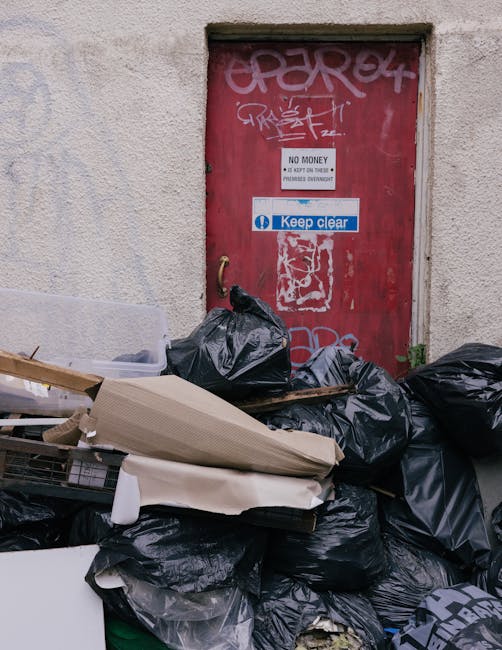
Brunel University student rubbish clearance guide Uxbridge
Posted on 12/08/2026
Brunel University Student Rubbish Clearance Guide Uxbridge
If you are packing up for term break, moving out of halls, or just trying to survive the final week of exams without the room collapsing under old packaging and broken bits of flat-life clutter, this Brunel University student rubbish clearance guide Uxbridge is for you. Student rubbish has a habit of sneaking up on you: a few delivery boxes, an extra chair, a dead kettle, three bags of clothes you meant to donate, and suddenly the corridor looks like a mini skip site. Not ideal. This guide explains how student rubbish clearance works in Uxbridge, what to do with different types of waste, and how to avoid the usual mistakes that lead to stress, fines, or last-minute panic.
It is written for Brunel students, house shares, landlords, and anyone helping clear a room near campus. You will find practical steps, a simple comparison of disposal options, a useful checklist, and a few real-world pointers based on the sort of mess students actually deal with. Nothing fancy. Just the stuff that helps.
For readers who want a wider overview of what professional clearance can cover, the services overview and waste clearance service in Uxbridge are useful places to start.

Why Brunel University student rubbish clearance guide Uxbridge Matters
Student waste is not the same as everyday household waste. It comes in bursts, it is often mixed up with things you no longer want but do not know how to dispose of, and it usually appears when you are short on time. That is why a proper Brunel University student rubbish clearance guide Uxbridge matters. It gives you a way to sort, store, and remove everything without turning move-out day into a messy scramble.
In Uxbridge, you also have the reality of shared student housing, limited parking, stairwells, and busy end-of-term schedules. One person may be moving out, another staying for summer, and someone else is ordering a flat-pack desk at midnight. It happens. A clear plan reduces conflict, keeps shared spaces usable, and makes it easier to hand a room back in decent condition.
There is also the practical side. Some items cannot just go in the nearest bin bag. Mattresses, furniture, electricals, and mixed rubbish need handling with care. If you want to keep things simple, it helps to understand the difference between general rubbish, reusable items, and bulky waste before you start lifting anything. That tiny bit of planning saves a lot of back-and-forth later.
And let's face it, nobody wants to spend the first day of summer in a cluttered hallway breathing in dusty cardboard and old takeaway containers. Been there, seen it, not fun.
How Brunel University student rubbish clearance guide Uxbridge Works
Most student rubbish clearance in Uxbridge follows a fairly straightforward pattern: identify what needs removing, separate it into sensible groups, decide what can be reused or recycled, and then choose the most suitable disposal route. That might be a couple of bin runs, a shared car load, or a professional collection if the waste is too bulky or too much to manage on your own.
For students near Brunel, the process often includes items from bedrooms, kitchens, communal living areas, and storage spaces. You might be dealing with:
- old bedding, clothing, and soft furnishings
- cardboard boxes and packaging
- broken desks, chairs, and bedside tables
- small appliances such as kettles, toasters, fans, or lamps
- food waste and general black-bag rubbish
- mattresses, mirrors, and other awkward bulky items
If you have a lot of mixed junk, a broader junk removal option in Uxbridge can be more practical than trying to break everything into multiple trips. For larger clear-outs, especially at the end of tenancy, a house clearance service may be more suitable than regular bin disposal.
The important thing is to match the method to the waste. That sounds obvious, but people often underestimate how much time gets lost when they treat all rubbish as if it is the same. It is not.
Key Benefits and Practical Advantages
A good clearance plan does more than remove rubbish. It makes the whole move-out, clean-up, or room reset feel manageable. That is the real win.
Here are the main benefits students usually notice:
- Less stress during move-out: you avoid last-minute panic and wasted hours looking for bin space.
- Better shared living: communal areas stay usable instead of becoming a dumping ground.
- Safer rooms and corridors: fewer tripping hazards, broken glass risks, and blocked walkways.
- More responsible disposal: reusable and recyclable items are easier to separate.
- Faster handover: if you are leaving halls or a shared house, a clean finish helps everything go smoother.
There is also a quiet benefit that people overlook: a tidy clear-out makes decision-making easier. When the room is full of stuff, every item feels heavier than it is. Once you start clearing, the rest becomes simpler. One bag, one box, one corner at a time.
If you are trying to clear furniture as well as general rubbish, it can help to look at furniture removal in Uxbridge or furniture disposal options for larger items that are awkward to move.
Who This Is For and When It Makes Sense
This guide is useful for a few different people, not just final-year students with a van full of random belongings.
You may need student rubbish clearance if you are:
- moving out of Brunel accommodation at the end of term
- changing rooms within a shared house
- clearing out after a housemate has left items behind
- dealing with post-delivery packaging and flat-pack waste
- preparing a room for summer storage or letting
- trying to sort bulky waste that will not fit in normal bins
It also makes sense if you are a landlord, letting agent, or house representative who has inherited a pile of student leftovers. Empty bottles, food containers, broken chairs, single shoes, and mysteriously labelled bags of old cables all tend to turn up at the worst possible time. Truth be told, students are not always the best at planning waste disposal before they leave. That is not a criticism. It is just reality.
If the clear-out is more than a few bin bags, you may find it helpful to compare general waste services with specialist options such as rubbish collection in Uxbridge and waste disposal support.
Step-by-Step Guidance
Here is a practical way to handle student rubbish clearance without overcomplicating it.
1. Walk through the room and separate everything into groups
Start with a quick sweep. Do not begin by bagging everything at once. Group items into categories such as general waste, cardboard, textiles, electrics, furniture, and reusable items. This first pass usually takes less time than people expect, maybe 15 minutes for a small room, a bit more if the place has been lived in properly.
2. Pull out anything reusable
If something still works or can be reused, keep it out of the waste stream. That might include a desk lamp, a clean mug, a mirror, a shelf, or unopened household supplies. Reuse is the easiest win because it reduces disposal volume immediately.
3. Separate bulky or awkward items early
Bulky waste needs more attention than black bin bags. Furniture, mattresses, and appliances should be identified early so you are not trying to squeeze them through the stairwell ten minutes before someone needs to leave. If there is furniture involved, see whether furniture removal or white goods and appliance disposal is the better fit.
4. Bag the small stuff properly
General rubbish should be secured in strong bags. Do not overload them. A bag that splits in the car park is the sort of tiny disaster nobody needs. Keep sharp or breakable waste wrapped safely.
5. Decide what you can move yourself
If the total amount is small, a few careful trips may do the job. If you have multiple bulky items, mixed waste, or limited access, professional clearance becomes far more practical. That is especially true if you are trying to avoid damage to shared hallways or communal bins.
6. Book or arrange removal at the right time
Timing matters. Try not to leave clearance until the final afternoon, when everyone is trying to leave, doors are propped open, and the kettle has disappeared. A calmer window gives you more control and less noise, less clutter, less nonsense.
7. Check the area before you finish
Look for scraps under the bed, behind radiators, inside cupboards, and around desks. Students often miss packaging, wires, and tiny items tucked in corners. It is usually the little things that make a room feel unfinished.
Expert Tips for Better Results
Over the years, the best student clear-outs tend to follow a few simple habits.
- Start with the biggest visual clutter first. Cardboard boxes and furniture make the room feel full, so removing them early creates momentum.
- Keep one bag for mixed rubbish and one for items to sort later. This avoids the "I'll deal with it tomorrow" pile becoming a permanent feature.
- Use gloves when sorting unknown waste. It is common sense, but easy to forget when you are rushing.
- Take a photo before and after. Useful if you need to prove a room was cleared or simply want a clean record.
- Think about access before you move anything. Narrow staircases, lift restrictions, and parking can slow everything down more than the rubbish itself.
One small but useful tip: if a room smells stale, open windows for ten minutes before sorting. The fresh air helps more than you would think. It also makes the whole job feel less grim, which is no bad thing.
For people comparing providers, the pricing and quotes page can help you understand how a professional collection is usually approached, while the recycling and sustainability page is worth reading if you want a more responsible disposal route.

Common Mistakes to Avoid
Student rubbish clearance is simple in principle, but a few mistakes crop up again and again.
- Leaving everything until the last day. That is the big one. It always feels manageable until it is not.
- Mixing reusable items with general waste. Once that happens, usable stuff often gets damaged or forgotten.
- Ignoring bulky items. A mattress or desk will not magically disappear because it is annoying.
- Overfilling bags. Split bags waste time and make a mess in shared areas.
- Assuming anything can be left anywhere. Communal bins, hallways, and outside walls are not disposal plans.
- Forgetting electrical waste. Old chargers, lamps, kettles, and other bits need a proper route.
There is also a subtle mistake that many students make: they underestimate how long sorting takes. It is not just about moving waste. It is about making decisions. And decision fatigue is real. After enough "keep, bin, donate, maybe keep?" moments, your brain starts to wobble a bit.
Tools, Resources and Recommendations
You do not need much equipment, but the right basics make the job easier.
- Strong bin bags: for general rubbish and soft items.
- Sturdy boxes or tubs: for items you want to keep together while sorting.
- Work gloves: useful for dusty, sharp, or awkward waste.
- Marker pen and tape: helpful if multiple people are sorting shared belongings.
- Trolley or sack truck: only if you have heavier items and safe access.
If you are clearing a shared student house, a simple labelling system can save arguments. "Keep," "bin," "donate," and "unsure" is enough. No need to run a tiny military operation unless the house genuinely demands it.
For room-by-room planning, it can help to look at related services such as loft clearance in Uxbridge if storage spaces are involved, or office clearance if you are dealing with a study area full of old equipment and paperwork. The main point is simple: match the service to the waste, not the other way around.
Law, Compliance, Standards, or Best Practice
For student rubbish clearance, compliance is mostly about using sensible, lawful disposal routes and avoiding fly-tipping or unsafe handling. In the UK, waste should be passed to a properly authorised carrier, and duty of care matters even for small domestic clear-outs. That means you should be careful about who removes your rubbish and how it is handled afterwards.
If you are booking a clearance service, it is sensible to check that the provider follows proper waste carrier practices and understands how to handle mixed rubbish responsibly. The website's waste carrier licence and compliance information is useful background for that. Safety also matters, especially if items are heavy, sharp, dirty, or awkward to move through shared accommodation. For that reason, the insurance and safety page is worth a look too.
In practice, the best standard is pretty straightforward: keep waste contained, do not block common areas, separate items where possible, and use a clearance method that does not put you or anyone else at risk. That may sound basic, but basic is usually where the problems start or end.
Options, Methods, or Comparison Table
There are several ways to deal with student rubbish in Uxbridge. The right choice depends on volume, timing, and what sort of waste you have.
| Method | Best for | Pros | Limitations |
|---|---|---|---|
| Self-disposal in bags | Small amounts of general waste | Cheap, simple, flexible | Not suitable for bulky items or mixed waste |
| Shared car or van trips | Moderate amounts and recyclable items | Good for sorting and reuse | Time-consuming, access and parking can be awkward |
| Professional rubbish collection | Bulky, mixed, or urgent clear-outs | Fast, convenient, less lifting for you | Usually costs more than DIY disposal |
| House or room clearance | End-of-tenancy or large shared-house jobs | More comprehensive, handles bigger volumes | May be more than you need for a small room |
If you are only clearing a few bags, DIY makes sense. If you are moving out of a student house with beds, furniture, and random left-behind stuff, a clearance service is usually the calmer option. Not glamorous. Just practical.
Case Study or Real-World Example
Picture a Brunel student leaving a shared house in Uxbridge at the end of June. The room has a broken chair, a small desk, four bags of clothes, a dead printer, food packaging, and two boxes of items that may or may not still be useful. Nothing extreme, but enough to create pressure because handover day is close and everyone is moving at once.
The sensible approach is to sort the room in stages. First, the reusable items go into one box. Then the printer and old cables are separated from general rubbish. The chair and desk are assessed as bulky furniture. Cardboard gets flattened. The black bags are filled carefully rather than stuffed to bursting. By late afternoon, the room is mostly clear, and the remaining bulky items are scheduled for collection rather than dragged around the house.
What made it work? Not luck. Just early sorting, clear categories, and not pretending the bulky bits would sort themselves out. That's usually the difference between a controlled move and a very long, very annoying evening.
Practical Checklist
Use this quick checklist before you leave the room or arrange collection.
- Have I separated reusable items from actual rubbish?
- Are all sharp or fragile items safely wrapped?
- Have I flattened cardboard and boxed loose bits?
- Do I know which items count as bulky waste?
- Have I checked cupboards, under beds, and behind furniture?
- Are bags tied securely and not overfilled?
- Is there a clear path out of the room and building?
- Have I confirmed where electrical or appliance items are going?
- Do I need help for heavy items or stair access?
- Have I left enough time before the move-out deadline?
Expert summary: if you only remember one thing, remember this: student rubbish clearance goes smoothly when you sort first and move second. That one habit prevents most of the headaches.
Conclusion
Student rubbish clearance around Brunel University does not need to be chaotic. Once you break it into categories, decide what can be reused, and deal with bulky items separately, the job becomes far more manageable. A little structure goes a long way, especially when you are moving quickly and living around other people. That is the real lesson here.
Whether you are clearing one room, a whole shared house, or just trying to get rid of the awkward bits that never fit in the bin, the best approach is the same: plan early, keep it safe, and choose the disposal method that actually suits the waste. Simple, but effective.
If you are comparing the most practical next step, take a look at the wider waste disposal options in Uxbridge and see what fits your situation best. The right choice usually becomes obvious once the clutter is out of the way.
Get a free quote today and see how much you can save.
And if you are staring at the room thinking, "Right, where on earth do I start?" - start with one bag. That is enough. One bag, then the next. It really does move.